These environments are hydrophilic or hydrophobic
Home » Query » These environments are hydrophilic or hydrophobicYour These environments are hydrophilic or hydrophobic images are ready. These environments are hydrophilic or hydrophobic are a topic that is being searched for and liked by netizens today. You can Find and Download the These environments are hydrophilic or hydrophobic files here. Get all royalty-free images.
If you’re searching for these environments are hydrophilic or hydrophobic pictures information connected with to the these environments are hydrophilic or hydrophobic interest, you have visit the right blog. Our website always gives you suggestions for seeing the maximum quality video and picture content, please kindly hunt and locate more informative video content and images that match your interests.
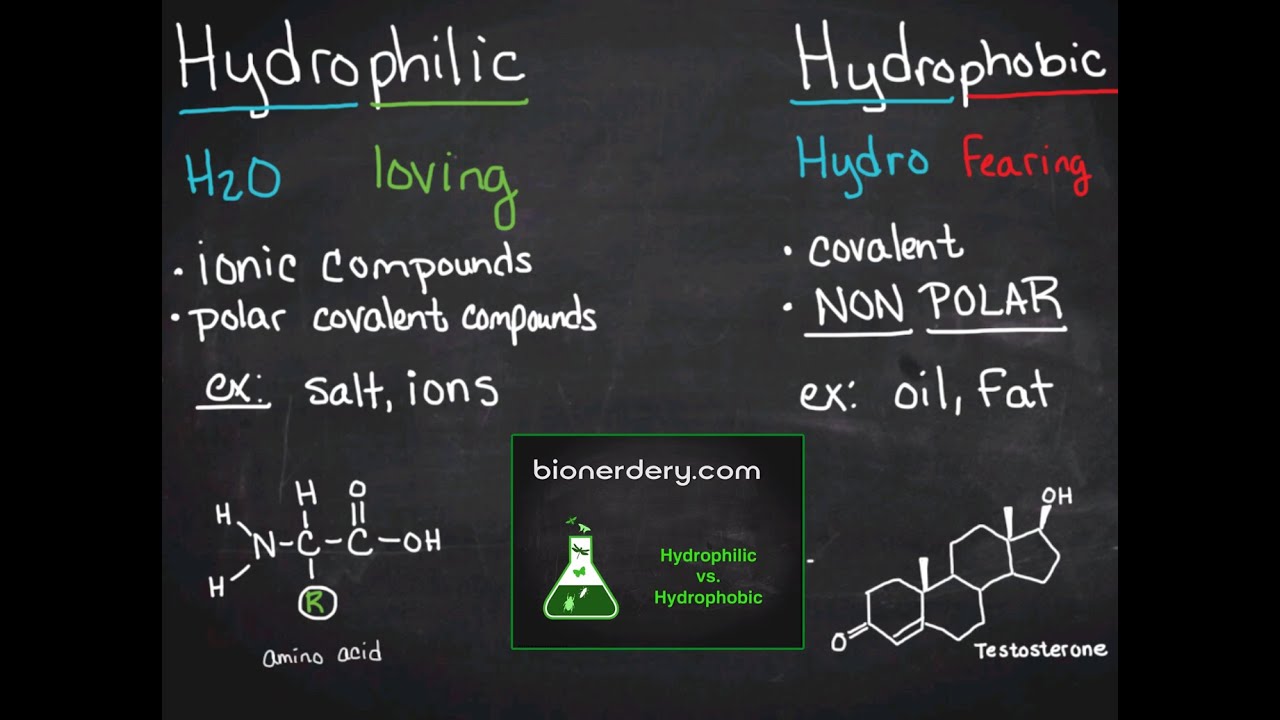
These Environments Are Hydrophilic Or Hydrophobic. Phospholipid molecules make up the cell membrane and are hydrophilic attracted to water as well as hydrophobic not attracted to water but are attracted to other hydrophobic tails. Water-loving usually in contact with aqueous environments. A major component of cell membranes consisting of two hydrophobic fatty acid tails and a hydrophilic head consisting of a phosphate group. Hydrophilic molecules can bind with water and thus they make up substances that can dissolve in water.
 Amino Acids Grouped As Hydrophobic Hydrophilic Or Polar Vs Non Polar Download Scientific Diagram From researchgate.net
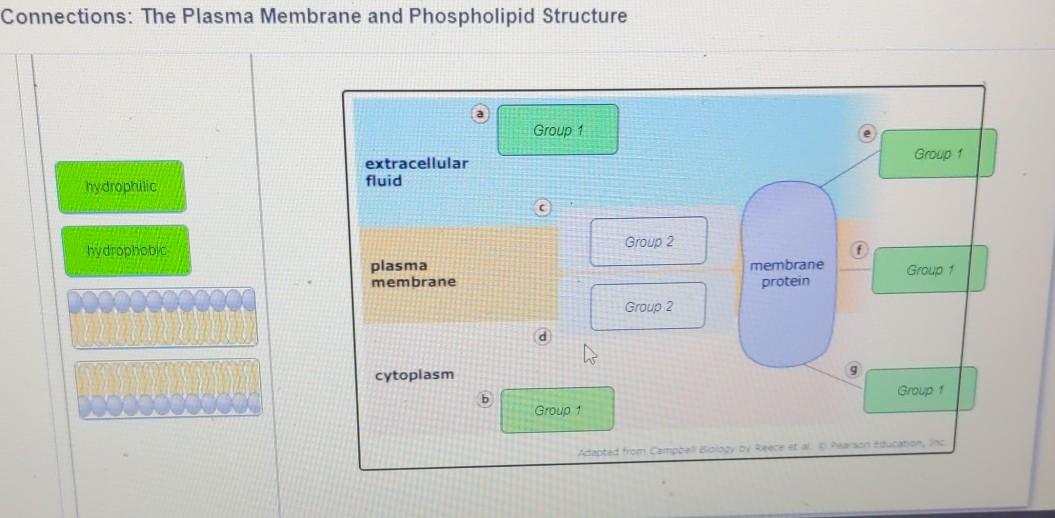
If there are no local regions of high or low electron density in the molecule it is called hydrophobic Greek for water-fearing. The fatty acid tails form a hydrophobic region in the middle which is free of water. Next drag the phospholipid layers to targets c and d to indicate how they are oriented in the plasma membrane. Difference Between Hydrophobic and Hydrophilic Molecules Definition. 3finally drag labels to targets e f and g to indicate which portions of the membrane protein are hydrophilic and which are hydrophobic. First drag labels to targets a and b to indicate whether these environments are hydrophilic or hydrophobic.
Proteins must therefore be hydrophilic water loving in order to be suspended in this environment.
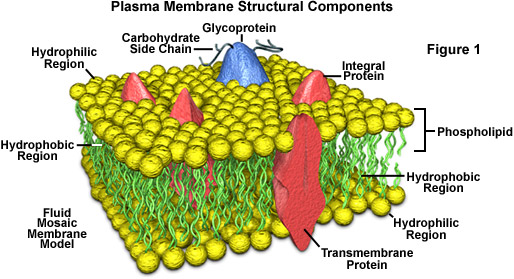
Illustration by Wesley Gunn. Biologists use the fluid mosaic model to describe membrane structure. Hydrophilic Molecules are molecules that can dissolve in water. Next drag the phospholipid layers to targets c and d to indicate how they are oriented in the plasma membrane. The hydrophilic heads are exposed to the aqueous environments of the cytoplasm and extracellular fluid and the hydrophobic tails are sandwiched within sheltered from these aqueous environments. This cell membrane helps in structuring the cell and also controls which substances can cross it.
 Source: researchgate.net
Next drag the phospholipid layers to targets c and d to indicate how they are oriented in the plasma membrane. Thus hydrophilic surfaces are easier to get wet or damp than hydrophobic ones those that hate or repel water. Water-hating usually sequestered away from aqueous environments. These properties are such as hydrophilic and hydrophobic. Hydrophilic means water loving and hydrophilic molecules are receptive to water and are likewise in the polar group of molecules.
 Source: differencebetween.com
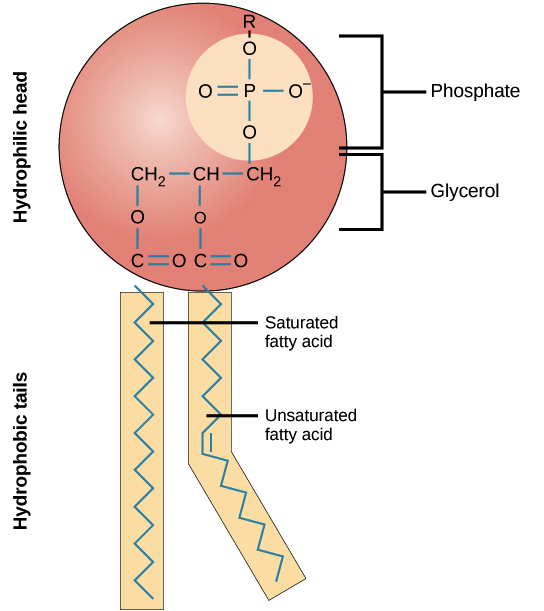
Next drag the phospholipid layers to targets c and d to indicate how they are oriented in the plasma membrane. If there are no local regions of high or low electron density in the molecule it is called hydrophobic Greek for water-fearing. The hydrophilic phosphate heads like water so they touch the inside and the outside of the cell where the environments are aqueous. Maybe you know someone who is claustrophobic hates to be in small confined spaces or is arachnophobic terrified of spiders. The fatty acids referred to as the tails of the phospholipid are hydrocarbons that are hydrophobic and therefore do not interact with water.
 Source: researchgate.net
A major component of cell membranes consisting of two hydrophobic fatty acid tails and a hydrophilic head consisting of a phosphate group. These properties are such as hydrophilic and hydrophobic. Maybe you know someone who is claustrophobic hates to be in small confined spaces or is arachnophobic terrified of spiders. Other elements of the plasma membrane conform to the hydrophilic and hydrophobic regions established by the phospholipids. The hydrophilic heads are exposed to the aqueous environments of the cytoplasm and extracellular fluid and the hydrophobic tails are sandwiched within sheltered from these aqueous environments.
 Source: differencebetween.net
Water-loving usually in contact with aqueous environments. Phospholipids consist of a glycerol molecule two fatty acids and a phosphate group that is modified by an alcohol. Models of Membrane Structure In 1935 Davson and Danielli suggested that proteins might be bound to the polar heads of the phospholipids in the plasma membrane creating a proteinlipidprotein sandwich. Hydrophilic means water loving and hydrophilic molecules are receptive to water and are likewise in the polar group of molecules. Next drag the phospholipid layers to targets c and d to indicate how they are oriented in the plasma membrane.
 Source: mdpi.com
The former flatten the water droplets in rows while the latter make them round and prominent. Next drag the phospholipid layers to targets c and d to indicate how they are oriented in the plasma membrane. Hydrophilic Molecules are molecules that can dissolve in water. Cell membranes are made up of a double layer of these phospholipid molecules. The hydrophilic phosphate heads like water so they touch the inside and the outside of the cell where the environments are aqueous.
Source: quora.com
2next drag the phospholipid layers to targets c and d to indicate how they are oriented in the plasma membrane. Hydro- is a Greek root word that means water. Adsorption is readily and rapidly reversible on hydrophilic materials than hydrophobic surfaces Park et. Models of Membrane Structure In 1935 Davson and Danielli suggested that proteins might be bound to the polar heads of the phospholipids in the plasma membrane creating a proteinlipidprotein sandwich. They have a hydrophilic phosphate head and two hydrophobic hydrocarbon tails.
Source: researchgate.net
Hydrophobic molecules are molecules that do not dissolve in water. The hydrophilic phosphate heads like water so they touch the inside and the outside of the cell where the environments are aqueous. The hydrophilic heads are exposed to the aqueous environments of the cytoplasm and extracellular fluid and the hydrophobic tails are sandwiched within sheltered from these aqueous environments. First drag labels to targets a and b to indicate whether these environments are hydrophilic or hydrophobic. This self-assembly occurs because phospholipids are hydrophilic at one end the phospholipid head and hydrophobic at the other end the phospholipid tails.
 Source: researchgate.net
Or damp environments such as. It is composed of a bilayer of phospholipids with their hydrophobic fatty acid tails in contact with each other. Hydrophilic surface has a strong affinity to water and spreading of water on such surface is preferred. Finally drag labels to targets e f and g to indicate which. Such associations are vital for the structure of the components of microorganisms.
 Source: micro.magnet.fsu.edu
Hydrophilic surface has a strong affinity to water and spreading of water on such surface is preferred. ENE-2A2 Embedded proteins can be hydrophilic with charged polar side groups or hydrophobic with nonpolar side. Next drag the phospholipid layers to targets c and d to indicate how they are oriented in the plasma membrane. Hydro- is a Greek root word that means water. Illustration by Wesley Gunn.
 Source: youtube.com
Illustration by Wesley Gunn. Hydrophilic molecules can bind with water and thus they make up substances that can dissolve in water. First drag labels to targets a and b to indicate whether these environments are hydrophilic or hydrophobic. Hydro- is a Greek root word that means water. Drag the labels to their appropriate locations in the figure.
Source: researchgate.net
Models of Membrane Structure In 1935 Davson and Danielli suggested that proteins might be bound to the polar heads of the phospholipids in the plasma membrane creating a proteinlipidprotein sandwich. It is composed of a bilayer of phospholipids with their hydrophobic fatty acid tails in contact with each other. 3finally drag labels to targets e f and g to indicate which portions of the membrane protein are hydrophilic and which are hydrophobic. ENE-2A2 Embedded proteins can be hydrophilic with charged polar side groups or hydrophobic with nonpolar side. First drag labels to targets a and b to indicate whether these environments are hydrophilic or hydrophobic.
 Source: researchgate.net
This self-assembly occurs because phospholipids are hydrophilic at one end the phospholipid head and hydrophobic at the other end the phospholipid tails. Adsorption is readily and rapidly reversible on hydrophilic materials than hydrophobic surfaces Park et. The fatty acid tails form a hydrophobic region in the middle which is free of water. 2next drag the phospholipid layers to targets c and d to indicate how they are oriented in the plasma membrane. ENE-2A2 Embedded proteins can be hydrophilic with charged polar side groups or hydrophobic with nonpolar side.
 Source: chegg.com
First drag labels to targets a and b to indicate whether these environments are hydrophilic or hydrophobic. Hydrophobic water hating interactions are created because of the uncharged nature of the involved chemical groups. The phosphate group is the negatively-charged polar head which is hydrophilic. Next drag the phospholipid layers to targets c and d to indicate how they are oriented in the plasma membrane. Hydro- is a Greek root word that means water.
 Source: mdpi.com
Finally drag labels to targets e f and g to indicate which. These properties are such as hydrophilic and hydrophobic. Maybe you know someone who is claustrophobic hates to be in small confined spaces or is arachnophobic terrified of spiders. The hydrophilic heads are exposed to the aqueous environments of the cytoplasm and extracellular fluid and the hydrophobic tails are sandwiched within sheltered from these aqueous environments. Hydrophilic molecules can bind with water and thus they make up substances that can dissolve in water.
 Source: khanacademy.org
This cell membrane helps in structuring the cell and also controls which substances can cross it. The hydrophilic phosphate heads like water so they touch the inside and the outside of the cell where the environments are aqueous. The landscape of the membrane is studded with proteins some of which span the membrane. Difference Between Hydrophobic and Hydrophilic Molecules Definition. A major component of cell membranes consisting of two hydrophobic fatty acid tails and a hydrophilic head consisting of a phosphate group.
Source: quora.com
Phospholipid molecules make up the cell membrane and are hydrophilic attracted to water as well as hydrophobic not attracted to water but are attracted to other hydrophobic tails. Drag the labels to their appropriate locations in the figure. Illustration by Wesley Gunn. Water-loving usually in contact with aqueous environments. Phospholipids have both hydrophilic and hydrophobic regions.
 Source: link.springer.com
First drag labels to targets a and b to indicate whether these environments are hydrophilic or hydrophobic. Hydrophobic and hydrophilic forces are interactions that serve to keep chemical groups positioned close to one another. This term arises because hydrophobic molecules do not dissolve in water. Proteins must therefore be hydrophilic water loving in order to be suspended in this environment. A major component of cell membranes consisting of two hydrophobic fatty acid tails and a hydrophilic head consisting of a phosphate group.
Source: quora.com
Finally drag labels to targets e f and g to indicate which. Finally drag labels to targets e f and g to indicate which. Hydrophobic molecules are molecules that do not dissolve in water. Moisture-loving coatings are known as hydrophilicUnlike hydrophobic coatings that repel water hydrophilic coatings act like a microscopic sponge by interacting and absorbing moisture into the coating -eliminating fogging almost instantlyThe coating is able to hold a high amount of moisture and naturally releases that moisture at the edge of lenses making. Hydrophobic and hydrophilic forces are interactions that serve to keep chemical groups positioned close to one another.
This site is an open community for users to share their favorite wallpapers on the internet, all images or pictures in this website are for personal wallpaper use only, it is stricly prohibited to use this wallpaper for commercial purposes, if you are the author and find this image is shared without your permission, please kindly raise a DMCA report to Us.
If you find this site convienient, please support us by sharing this posts to your preference social media accounts like Facebook, Instagram and so on or you can also bookmark this blog page with the title these environments are hydrophilic or hydrophobic by using Ctrl + D for devices a laptop with a Windows operating system or Command + D for laptops with an Apple operating system. If you use a smartphone, you can also use the drawer menu of the browser you are using. Whether it’s a Windows, Mac, iOS or Android operating system, you will still be able to bookmark this website.