That pol i stands for dna polymerase i and pol iii stands for dna
Home » Query » That pol i stands for dna polymerase i and pol iii stands for dnaYour That pol i stands for dna polymerase i and pol iii stands for dna images are available in this site. That pol i stands for dna polymerase i and pol iii stands for dna are a topic that is being searched for and liked by netizens now. You can Find and Download the That pol i stands for dna polymerase i and pol iii stands for dna files here. Download all royalty-free photos and vectors.
If you’re looking for that pol i stands for dna polymerase i and pol iii stands for dna pictures information connected with to the that pol i stands for dna polymerase i and pol iii stands for dna keyword, you have come to the right site. Our website frequently provides you with hints for viewing the highest quality video and picture content, please kindly surf and locate more enlightening video articles and images that fit your interests.
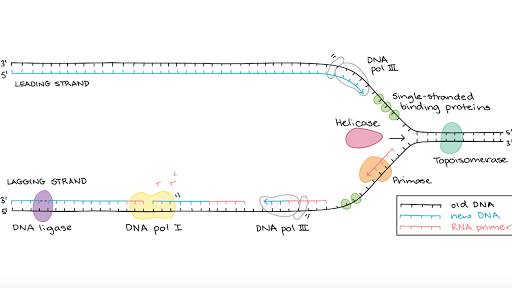
That Pol I Stands For Dna Polymerase I And Pol Iii Stands For Dna. Note that pol I stands for DNA polymerase I and pol III stands for DNA polymerase III Best Answer. Pol I is much less processive than Pol III because its primary function in DNA replication is. Pol III moves 5 to 3 adding DNA nucleotides to primer B 3. Pol I binds to 5 end of primer A 4.
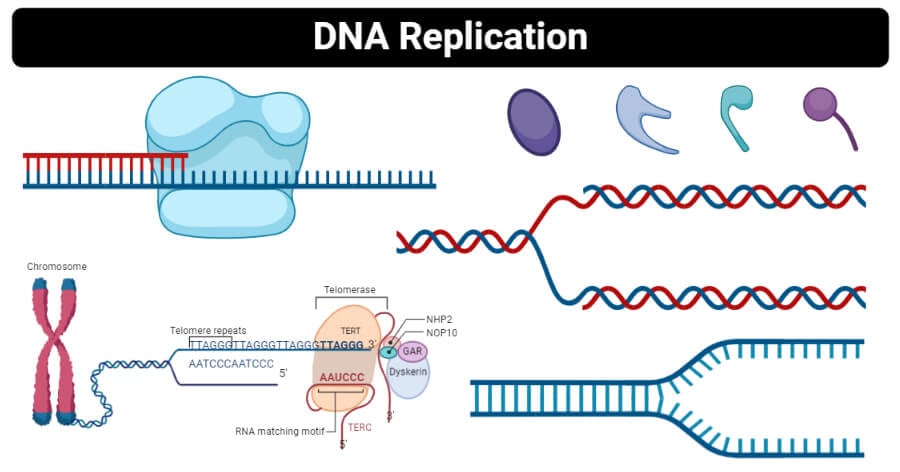 Dna Replication Definition Enzymes Steps Mechanism Diagram From microbenotes.com
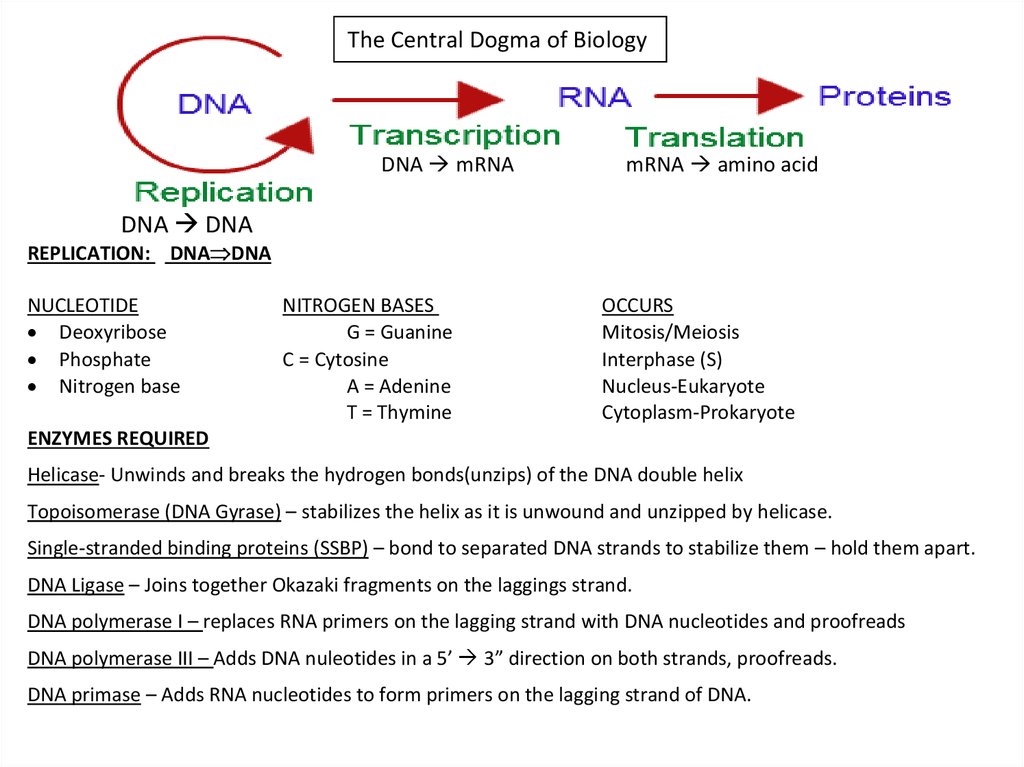
Viruses have only 1 DNA pol prokaryotes have 5 DNA pol DNA polymerase I II III IV and V and eukaryotes have 15 DNA pol designated with greek letters as DNA pol α 𝛃 𝛄 ẟ ε ζ η θ ι 𝛋 λ. In contrast DNA Pol I is the enzyme responsible for replacing RNA primers with DNA. As a result Pol I does not have to be nearly as processive as Pol III. Drag the labels to their appropriate locations in the flowchart below indicating the sequence of events in the production of fragment B. Pol I binds to 5 end of primer A-. In fact Pol III is the principle enzyme used in Bacterial cells for replicating chromosomal DNA whereas Pol I is used primarily to excise the RNA primer and fill in the resulting single-stranded regions of DNA.
Viruses have only 1 DNA pol prokaryotes have 5 DNA pol DNA polymerase I II III IV and V and eukaryotes have 15 DNA pol designated with greek letters as DNA pol α 𝛃 𝛄 ẟ ε ζ η θ ι 𝛋 λ.
Here we address these questions by analyzing pol I mutations generated through error-prone replication of ColE1. DNA polymerases are the enzymes that replicate DNA in living cells. However it is unclear how pol I and pol III work together during replication and repair or how extensive pol I processing of Okazaki fragments is in vivo. DNA pol III is the enzyme required for DNA synthesis. Pol I is much less processive than Pol III because its primary function in DNA replication is. Viruses have only 1 DNA pol prokaryotes have 5 DNA pol DNA polymerase I II III IV and V and eukaryotes have 15 DNA pol designated with greek letters as DNA pol α 𝛃 𝛄 ẟ ε ζ η θ ι 𝛋 λ.
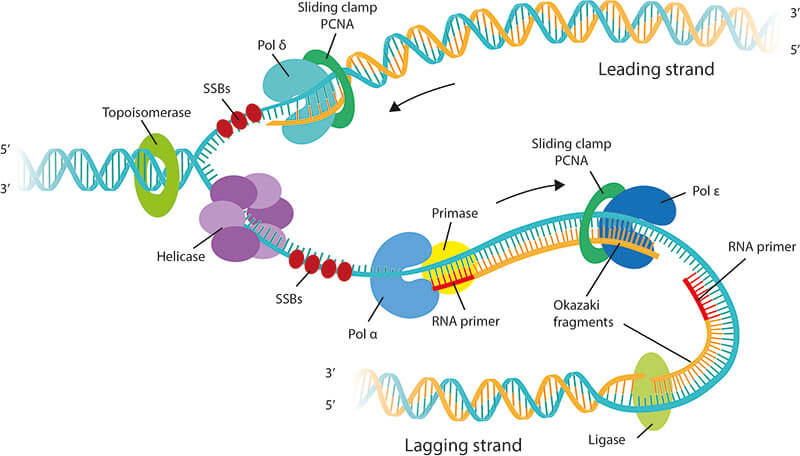 Source: microbenotes.com
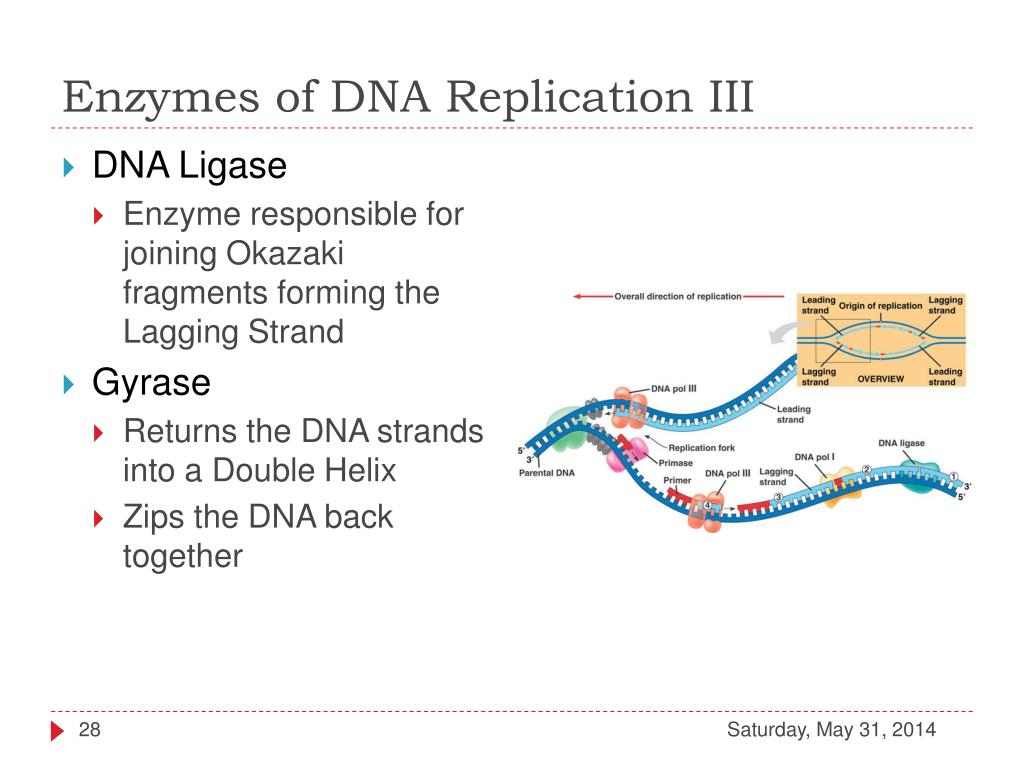
As a result Pol I does not have to be nearly as processive as Pol III. DNA Pol I has a 5 to 3 exonuclease activity in addition to its polymerase activity and uses its exonuclease activity to degrade the RNA primers ahead of it as it extends the DNA strand behind it in a process called nick translation. Pol III moves 5 to 3 adding DNA nucleotides to primer B-. It possesses 35 exonuclease proofreading activity as well as 53 exonuclease activity making the enzyme useful for DNA end blunting and DNA labeling by nick translation. Pol III moves 5 to 3 adding DNA nucleotides to primer B 3.
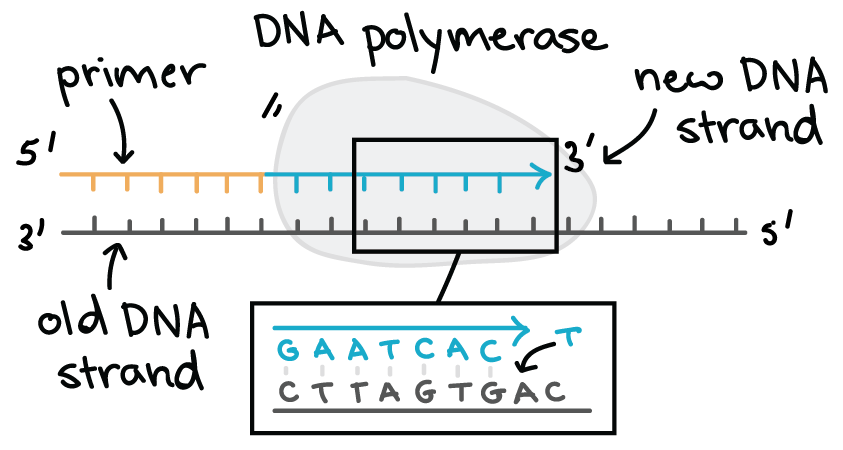 Source: khanacademy.org
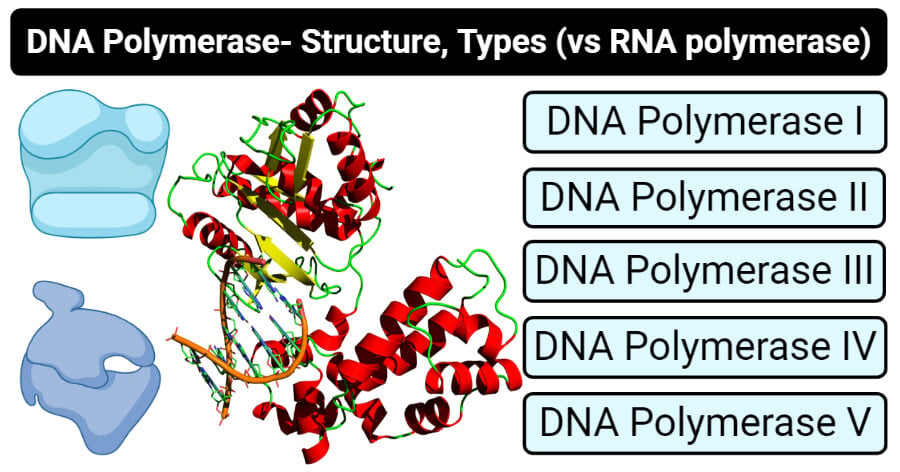
DNA pol I DNA pol II and DNA pol III. DNA polymerase I pol I processes RNA primers during lagging-strand synthesis and fills small gaps during DNA repair reactions. DNA Polymerase Structures. Pol I is much less processive than Pol III because its primary function in DNA replication is. It possesses 35 exonuclease proofreading activity as well as 53 exonuclease activity making the enzyme useful for DNA end blunting and DNA labeling by nick translation.
 Source: sciencedirect.com
However it is unclear how pol I and pol III work together during replication and repair or how extensive pol I processing of Okazaki fragments is in vivo. DNA pol I DNA pol II and DNA pol III. Pol I binds to 5 end of primer A-. The process uses a complementary single strand of DNA as a template. DNA pol I is used later in the process and DNA pol II is used primarily required for repair this is another irritating example of naming that was done based on the order of discovery rather than an order that makes sense.
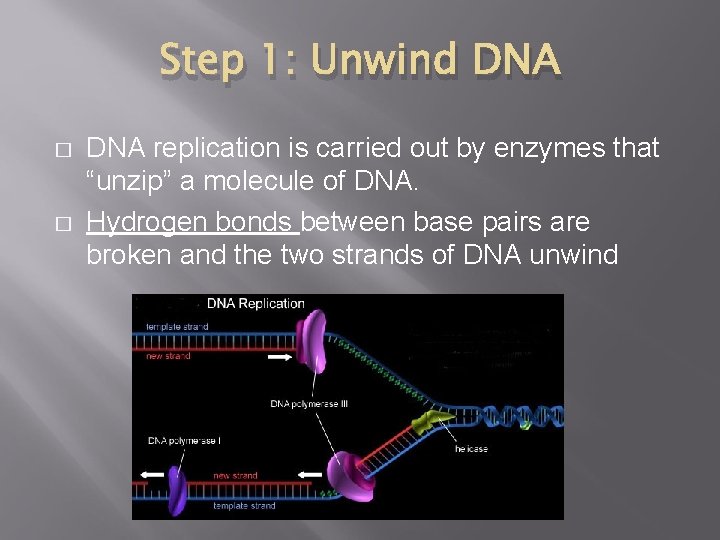 Source: slidetodoc.com
Streptomyces contain five DNA polymerases. The enzyme DNA polymerase III is the primary enzyme involved with bacterial DNA replication. More complex cells possess more DNA polymerases. In fact Pol III is the principle enzyme used in Bacterial cells for replicating chromosomal DNA whereas Pol I is used primarily to excise the RNA primer and fill in the resulting single-stranded regions of DNA. They do this by adding individual nucleotides to the 3-prime hydroxl group of a strand of DNA.
 Source: sciencedirect.com
DNA pol III is the enzyme required for DNA synthesis. Pol III binds to 3 end of primer B 2. In contrast DNA Pol I is the enzyme responsible for replacing RNA primers with DNA. DNA Pol I has a 5 to 3 exonuclease activity in addition to its polymerase activity and uses its exonuclease activity to degrade the RNA primers ahead of it as it extends the DNA strand behind it in a process called nick translation. DNA pol I is used later in the process and DNA pol II is used primarily required for repair this is another irritating example of naming that was done based on the order of discovery rather than an order that makes sense.
 Source: cell.com
One DNA polymerase I Pol I two DNA polymerases III Pol III and two DNA polymer-ases IV Pol IV. DNA Polymerase Structures. It performs the 5-3 polymerase function which means that it adds nucleotides to the 3 end of the forming DNA strand during replication. Note that pol I stands for DNA polymerase I and pol III stands for DNA polymerase III 1. Pol I binds to 5 end of primer A 4.
 Source: khanacademy.org
They do this by adding individual nucleotides to the 3-prime hydroxl group of a strand of DNA. DNA Polymerase I Pol I catalyzes the incorporation of dNTPs into double-stranded DNA in a 53 direction that is complementary to the DNA or RNA template strand. Pol I is much less processive than Pol III because its primary function in DNA replication is. Note that pol I stands for DNA polymerase I and pol III stands for DNA polymerase III Best Answer. Pol III binds to 3 end of primer B-.
 Source: ppt-online.org
Drag the labels to their appropriate locations in the flowchart below indicating the sequence of events in the production of fragment B. However it is unclear how pol I and pol III work together during replication and repair or how extensive pol I processing of Okazaki fragments is in vivo. Drag the labels to their appropriate locations in the flowchart below indicating the sequence of events in the production of fragment B. The process uses a complementary single strand of DNA as a template. In prokaryotes three main types of polymerases are known.
 Source: youtube.com
These enzymes cannot replace each other as. Pol III binds to 3 end of primer B 2. DNA pol I DNA pol II and DNA pol III. 31 Related Question Answers Found. This is the best answer based on feedback and ratings.
 Source: microbenotes.com
More complex cells possess more DNA polymerases. It performs the 5-3 polymerase function which means that it adds nucleotides to the 3 end of the forming DNA strand during replication. Note that pol I stands for DNA polymerase I and pol III stands for DNA polymerase III 1. DNA Pol I has a 5 to 3 exonuclease activity in addition to its polymerase activity and uses its exonuclease activity to degrade the RNA primers ahead of it as it extends the DNA strand behind it in a process called nick translation. Streptomyces contain five DNA polymerases.
 Source: study.com
In this study we found the two Pol IVs DinB1 and DinB2 to be involved in end. It possesses 35 exonuclease proofreading activity as well as 53 exonuclease activity making the enzyme useful for DNA end blunting and DNA labeling by nick translation. Note that pol I stands for DNA polymerase I and pol III stands for DNA polymerase III 1. Pol III moves 5 to 3 adding DNA nucleotides to primer B 3. DNA Polymerase Structures.
 Source: slideserve.com
Drag the labels to their appropriate locations in the flowchart below indicating the sequence of events in the production of fragment B. Pol I replaces primer A with DNA 5. However it is unclear how pol I and pol III work together during replication and repair or how extensive pol I processing of Okazaki fragments is in vivo. DNA polymerase I pol I processes RNA primers during lagging-strand synthesis and fills small gaps during DNA repair reactions. DNA pol I is used later in the process and DNA pol II is used primarily required for repair this is another irritating example of naming that was done based on the order of discovery rather than an order that makes sense.
 Source: slideplayer.com
DNA polymerase 3 is essential for the replication of the leading and the lagging strands whereas DNA polymerase 1 is essential for removing of the RNA primers from the fragments and replacing it with the required nucleotides. However it is unclear how pol I and pol III work together during replication and repair or how extensive pol I processing of Okazaki fragments is in vivo. One DNA polymerase I Pol I two DNA polymerases III Pol III and two DNA polymer-ases IV Pol IV. Drag the labels to their appropriate locations in the flowchart below indicating the sequence of events in the production of fragment B. 28_____ Which characteristic is shared by both RNA polymerase and DNA pol III in E.
 Source: ppt-online.org
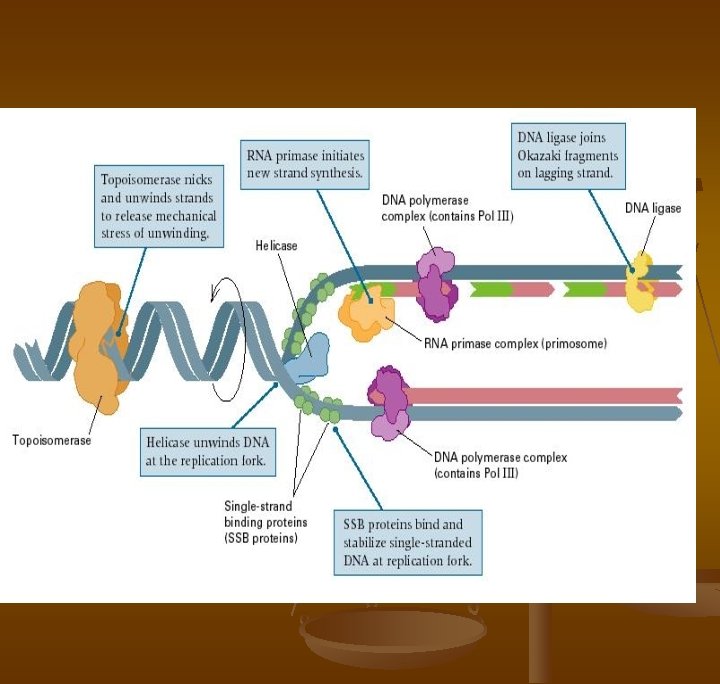
It is the primary enzyme responsible for DNA replication in. DNA Polymerase Structures. Pol I binds to 5 end of primer A 4. Before replication can start the enzyme helicase unwinds the two DNA strands. Of these one Pol III DnaE1 is es-sential for replication and Pol I is not required for end patching.
 Source: slidetodoc.com
In prokaryotes three main types of polymerases are known. Before replication can start the enzyme helicase unwinds the two DNA strands. Here we address these questions by analyzing pol I mutations generated through error-prone replication of ColE1. In this study we found the two Pol IVs DinB1 and DinB2 to be involved in end. View Available Hints Reset Help pol lll moves to 3 adding DNA nucleotides to primer B poll binds to 5 end of primer A poll replaces primer A with DNA DNA Ligase links fragments A and 1 polt binds to 3 end of primer B 1 MacBook Pro.
 Source: www2.csudh.edu
They do this by adding individual nucleotides to the 3-prime hydroxl group of a strand of DNA. 28_____ Which characteristic is shared by both RNA polymerase and DNA pol III in E. In prokaryotes three main types of polymerases are known. Drag the labels to their appropriate locations in the flowchart below indicating the sequence of events in the production of fragment B. DNA polymerase I pol I processes RNA primers during lagging-strand synthesis and fills small gaps during DNA repair reactions.
 Source: researchgate.net
Pol I is much less processive than Pol III because its primary function in DNA replication is. Of these one Pol III DnaE1 is es-sential for replication and Pol I is not required for end patching. It is the primary enzyme responsible for DNA replication in. Pol I binds to 5 end of primer A-. Note that pol I stands for DNA polymerase I and pol III stands for DNA polymerase III step 5 after pol I replaces primer A with DNA.
Source: microbenotes.com
DNA pol I is used later in the process and DNA pol II is used primarily required for repair this is another irritating example of naming that was done based on the order of discovery rather than an order that makes sense. This is the best answer based on feedback and ratings. C It has both a 35 polymerase activity and a 3 5exonuclease activity. DNA Polymerase I Pol IDNA Polymerase I Pol I catalyzes the incorporation of dNTPs into double-stranded DNA in a 53 direction that is complementary to the DNA or RNA template strand. Pol I is much less processive than Pol III because its primary function in DNA replication is.
This site is an open community for users to do sharing their favorite wallpapers on the internet, all images or pictures in this website are for personal wallpaper use only, it is stricly prohibited to use this wallpaper for commercial purposes, if you are the author and find this image is shared without your permission, please kindly raise a DMCA report to Us.
If you find this site beneficial, please support us by sharing this posts to your favorite social media accounts like Facebook, Instagram and so on or you can also save this blog page with the title that pol i stands for dna polymerase i and pol iii stands for dna by using Ctrl + D for devices a laptop with a Windows operating system or Command + D for laptops with an Apple operating system. If you use a smartphone, you can also use the drawer menu of the browser you are using. Whether it’s a Windows, Mac, iOS or Android operating system, you will still be able to bookmark this website.