Membrane patch colorimetry test
Home » Query » Membrane patch colorimetry testYour Membrane patch colorimetry test images are available in this site. Membrane patch colorimetry test are a topic that is being searched for and liked by netizens now. You can Download the Membrane patch colorimetry test files here. Download all free vectors.
If you’re searching for membrane patch colorimetry test pictures information connected with to the membrane patch colorimetry test keyword, you have come to the ideal blog. Our website frequently provides you with hints for seeing the highest quality video and picture content, please kindly hunt and find more informative video articles and graphics that fit your interests.
Membrane Patch Colorimetry Test. This has been dubbed the MPC test. Potential hazards of turbine oil varnish warns that problems such as turbine bearing vibration and. The apparatus is identical to a patch test kit but the sample preparation is different. MPC Color allows real time on- site determination of present condition of your rotating equipment through.
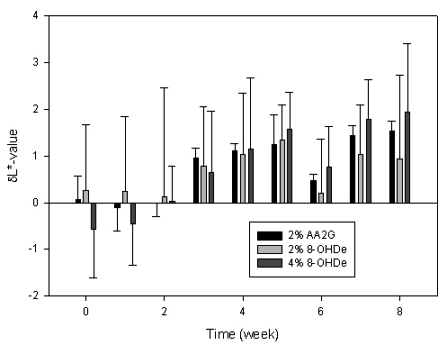 Ijms Free Full Text Evaluation Of Depigmenting Activity By 8 Hydroxydaidzein In Mouse B16 Melanoma Cells And Human Volunteers Html From mdpi.com
Understanding these shortcomings helps analysts prevent otherwise probable errors and mistakes. Afterwards the membrane is analyzed by spectrophotometry to get a CIE LAB E value color scale. Membrane Patch Colorimetry VARTECTOR detects the risk of turbine oil varnish ASTM D7843 Standard Test Method for Measurement of Lubricant Generated Insoluble Color Bodies in In-Service Turbine Oils using Membrane Patch Colorimetry. For rapid assessment of potential varnish-related problems on-site use ASTM D7843 approved Membrane Patch Colorimetry MPC test. The test is a reflection of both the solubility of the oil and the. Potential hazards of turbine oil varnish warns that problems such as turbine bearing vibration and.
Currently the most common laboratory test for detecting varnish potential in the oil is the membrane patch colorimetry MPC test ASTM D7843.
Fifty millilitres mL of oil are. Data results are captured and stored in text and audio captions for quick analysis. Its recommended you have MPC testing conduct-ed monthly. Potential hazards of turbine oil varnish warns that problems such as turbine bearing vibration and. For all critical turbine installations monthly MPC testing is recommended to mitigate catastrophic varnish-related failures. Despite its overall value it still suffers from some shortcomings.
 Source: researchgate.net
Engine oils were also tested from a rig test running at SCANIAs facilities in Södertälje Sweden. In the long-term this can mean the difference between cost savings as the result of safely extending oil drains versus major equipment damage and failure as the result of. The issue however is that the results do not seem straightforward. Each component is sold separately. MPC Varnish Potential Testing Basics Membrane patch colorimetry MPC varnish potential testing ASTM D7843 is an analytical test to determine the propensity for a lubricant to form varnish deposits.
 Source: researchgate.net
The Membrane Patch Colorimetry MPC test is a quick cost-effective way of assessing your oils varnish potential. The apparatus is identical to a patch test kit but the sample preparation is different. For all critical turbine installations monthly MPC testing is recommended to mitigate catastrophic varnish-related failures. Membrane Patch Colorimetry VARTECTOR detects the risk of turbine oil varnish ASTM D7843 Standard Test Method for Measurement of Lubricant Generated Insoluble Color Bodies in In-Service Turbine Oils using Membrane Patch Colorimetry. MPC testing is particularly important in applications such as.
 Source: fluitec.com
Membrane Patch Colorimetry MPC is now an ASTM Standard ASTM D7843 standardizes varnish potential testing for turbine oil users JERSEY CITY NJ USADECEMBER 10 2012 ASTM International a globally recognized leader in the development and delivery of international voluntary consensus standards recently approved a new standard for. TESTOIL is modifying its Membrane Patch Colorimetry MPC test procedure to a newly proposed ASTM standard. MPC Color allows real time on- site determination of present condition of your rotating equipment through. The sample is then placed. Fundamentally MPC is measure of the insolubles found dissolved or suspended in the fluid and that.
 Source: issuu.com
The test is a reflection of both the solubility of the oil and the. RULER is a voltammetric method that measures the. A way of detecting build-up of varnish and its precursors early is through Membrane Patch Colorimetry. What it is patchWhat the various test parameters mean. Membrane Patch Colourimetry is used to measure the colour of insoluble contaminants in lubricating oils to ASTM D7843.
 Source: fluitec.com
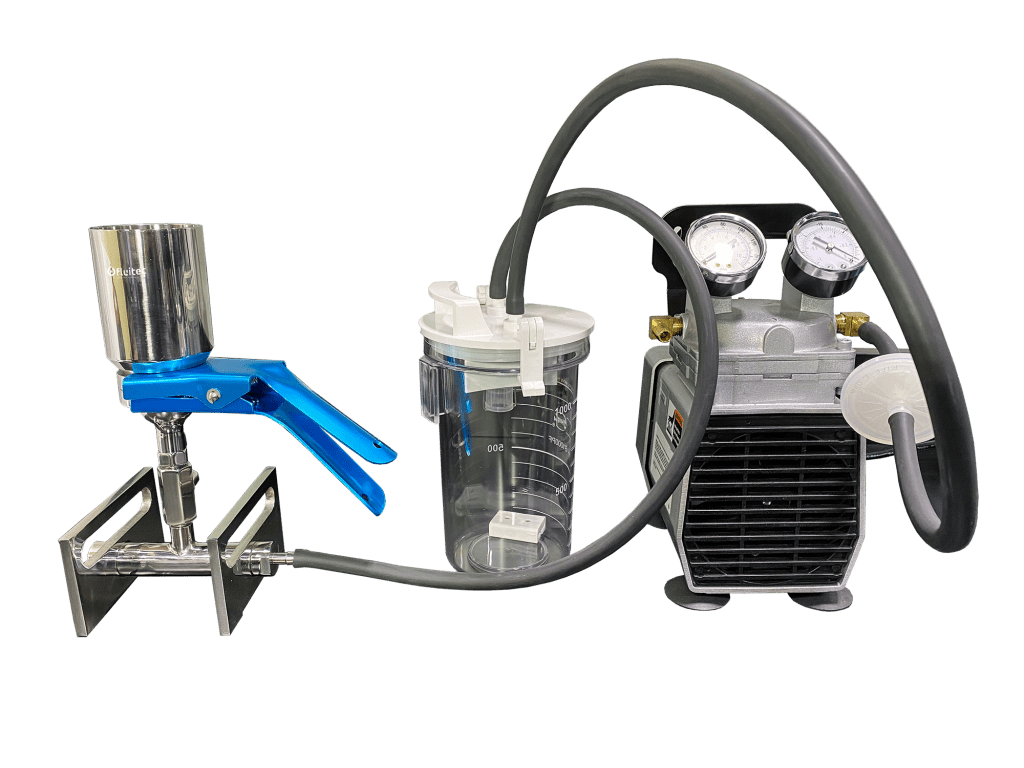
Membrane Patch Colorimetry MPC ASTM D7843. Fundamentally MPC is measure of the insolubles found dissolved or suspended in the fluid and that. According to ASTM test method D7843 Membrane Patch Colorimetry MPC is intended to serve as a guide to end-users on the formation of lubricant-generated insoluble deposits. To complete membrane patch colorimetry MPC varnish potential testing you require the MPC Test Kit apparatus Vacuum Pump and Spectrophotometer. Test Revisions The proposed ASTM standard for the Membrane Patch Colorimetry test requires a sample to be heated for a period of 24 hours at the lab to allow any insoluble materials to return into the solution.
 Source: researchgate.net
Optimized for performing the Membrane Patch Colorimetry MPC test Produces results in 18 seconds Captures spectra and computes results in pdf andcsv format for easy downloading and reporting. This has been dubbed the MPC test. Afterwards the membrane is analyzed by spectrophotometry to get a CIE LAB E value color scale. The test is a reflection of both the solubility of the oil and the. The Membrane Patch Colorimetry MPC test is a quick cost-effective way of assessing your oils varnish potential.
 Source: issuu.com
MPC testing is particularly important in applications such as. For rapid assessment of potential varnish-related problems on-site use ASTM D7843 approved Membrane Patch Colorimetry MPC test. Despite its overall value it still suffers from some shortcomings. The ASTM-approved MPC test isnt terribly complex and can be integrated into existing lubricant analysis testing programs. Membrane Patch Colorimetry MPC ASTM D7843.
 Source: pubs.rsc.org
The MPC Color instrument allows real time on-site determination of the condition of your lubricant. For all critical turbine installations monthly MPC testing is recommended to mitigate catastrophic varnish-related failures. Despite its overall value it still suffers from some shortcomings. MPC is a test designed to capture any presence of varnish that is soluble with the oil. Membrane patch colorimetry provides the confidence in determining proper oil change intervals.
 Source: researchgate.net
MPC MEMBRANE PATCH COLORIMETRY TURBINE OIL - ASTM D7843 - YouTube. MPC testing is particularly important in applications such as. MPC is a test designed to capture any presence of varnish that is soluble with the oil. The MPC Color instrument allows real time on-site determination of the condition of your lubricant. The apparatus is identical to a patch test kit but the sample preparation is different.
 Source: researchgate.net
Test Revisions The proposed ASTM standard for the Membrane Patch Colorimetry test requires a sample to be heated for a period of 24 hours at the lab to allow any insoluble materials to return into the solution. The Membrane Patch Colorimetry MPC test is a quick cost-effective way of assessing your oils varnish potential. The sample is then placed. For all critical turbine installations monthly MPC testing is recommended to mitigate catastrophic varnish-related failures. Why do a Membrane Patch Colorimetry MPC.
 Source: scindustrialsales.com
The Membrane Patch Colorimetry MPC test is a quick cost-effective way of assessing your oils varnish potential. In this brief guide we provide a rundown of MPC varnish potential testing walking you through. Currently the most common laboratory test for detecting varnish potential in the oil is the membrane patch colorimetry MPC test ASTM D7843. The samples were evaluated with Remaining Useful Life Evaluation Routine RULER and Membrane Patch Colorimetry MPC. Despite its overall value it still suffers from some shortcomings.
Source: mdpi.com
Currently the most common laboratory test for detecting varnish potential in the oil is the membrane patch colorimetry MPC test ASTM D7843. Membrane Patch Colorimetry MPC is now an ASTM Standard ASTM D7843 standardizes varnish potential testing for turbine oil users JERSEY CITY NJ USADECEMBER 10 2012 ASTM International a globally recognized leader in the development and delivery of international voluntary consensus standards recently approved a new standard for. The ASTM-approved MPC test isnt terribly complex and can be integrated into existing lubricant analysis testing programs. MPC patch testing involves diluting the oil sample with a strong solvent and vacuum-filtering the mixture through a fine-pore ultra-white-colored membrane. Why do a Membrane Patch Colorimetry MPC.
 Source: sciencedirect.com
Membrane patch colorimetry MPC varnish potential testing ASTM D7843 is an essential analytical test to determine the propensity for a lubricant to form varnish deposits. Data results are captured and stored in text and audio captions for quick analysis. This test is performed by heating the sample to 60 to 65 degrees Celsius for 23 to 25 hours. The MPC Color instrument allows real time on-site determination of the condition of your lubricant. MPC MEMBRANE PATCH COLORIMETRY TURBINE OIL - ASTM D7843 - YouTube.
 Source: cyberleninka.org
Despite its overall value it still suffers from some shortcomings. Understanding these shortcomings helps analysts prevent otherwise probable errors and mistakes. In this brief guide we provide a rundown of MPC varnish potential testing walking you through. Fundamentally MPC is measure of the insolubles found dissolved or suspended in the fluid and that. Why do a Membrane Patch Colorimetry MPC.
 Source: mdpi.com
RULER is a voltammetric method that measures the. MPC testing is particularly important in applications such as. What it is patchWhat the various test parameters mean. RULER is a voltammetric method that measures the. Data results are captured and stored in text and audio captions for quick analysis.
 Source: researchgate.net
Data results are captured and stored in text and audio captions for quick analysis. Optimized for performing the Membrane Patch Colorimetry MPC test Produces results in 18 seconds Captures spectra and computes results in pdf andcsv format for easy downloading and reporting. The Membrane Patch Colorimetry MPC test is a quick cost-effective way of assessing your oils varnish potential. Membrane Patch Colourimetry is used to measure the colour of insoluble contaminants in lubricating oils to ASTM D7843. According to ASTM test method D7843 Membrane Patch Colorimetry MPC is intended to serve as a guide to end-users on the formation of lubricant-generated insoluble deposits.
 Source: sciencedirect.com
According to ASTM test method D7843 Membrane Patch Colorimetry MPC is intended to serve as a guide to end-users on the formation of lubricant-generated insoluble deposits. The issue however is that the results do not seem straightforward. Despite its overall value it still suffers from some shortcomings. RULER is a voltammetric method that measures the. MPC MEMBRANE PATCH COLORIMETRY TURBINE OIL - ASTM D7843.
 Source:
MPC is a test designed to capture any presence of varnish that is soluble with the oil. Fundamentally MPC is measure of the insolubles found dissolved or suspended in the fluid and that. Membrane Patch Colorimetry VARTECTOR detects the risk of turbine oil varnish ASTM D7843 Standard Test Method for Measurement of Lubricant Generated Insoluble Color Bodies in In-Service Turbine Oils using Membrane Patch Colorimetry. According to ASTM test method D7843 Membrane Patch Colorimetry MPC is intended to serve as a guide to end-users on the formation of lubricant-generated insoluble deposits. Afterwards the membrane is analyzed by spectrophotometry to get a CIE LAB E value color scale.
This site is an open community for users to do sharing their favorite wallpapers on the internet, all images or pictures in this website are for personal wallpaper use only, it is stricly prohibited to use this wallpaper for commercial purposes, if you are the author and find this image is shared without your permission, please kindly raise a DMCA report to Us.
If you find this site helpful, please support us by sharing this posts to your own social media accounts like Facebook, Instagram and so on or you can also save this blog page with the title membrane patch colorimetry test by using Ctrl + D for devices a laptop with a Windows operating system or Command + D for laptops with an Apple operating system. If you use a smartphone, you can also use the drawer menu of the browser you are using. Whether it’s a Windows, Mac, iOS or Android operating system, you will still be able to bookmark this website.